
BRIEF
Sinicization of the Russian Economy Intensifies
As the Ukraine war enters its fifth year, the conflict continues to have a major impact on Russia-Chinese trade, fundamentally reordering the economic relationship between Moscow and Beijing. According to the Russian newspaper Vedomosti, citing recent data published by the Rusprofile analysis service, the Russian market is seeing a dramatic “Kitaizatsia”—or Sinicization —wave driven by developments related to the war.
The number of companies in Russia with Chinese founders or co-founders has increased tenfold since the start of the conflict in Ukraine. While there were only 1,434 such organizations in December 2021, that number has ballooned to 14,798 as of February 2026. This surge means that nearly a quarter of all foreign-participatory organizations in the Russian market are now Chinese-owned.
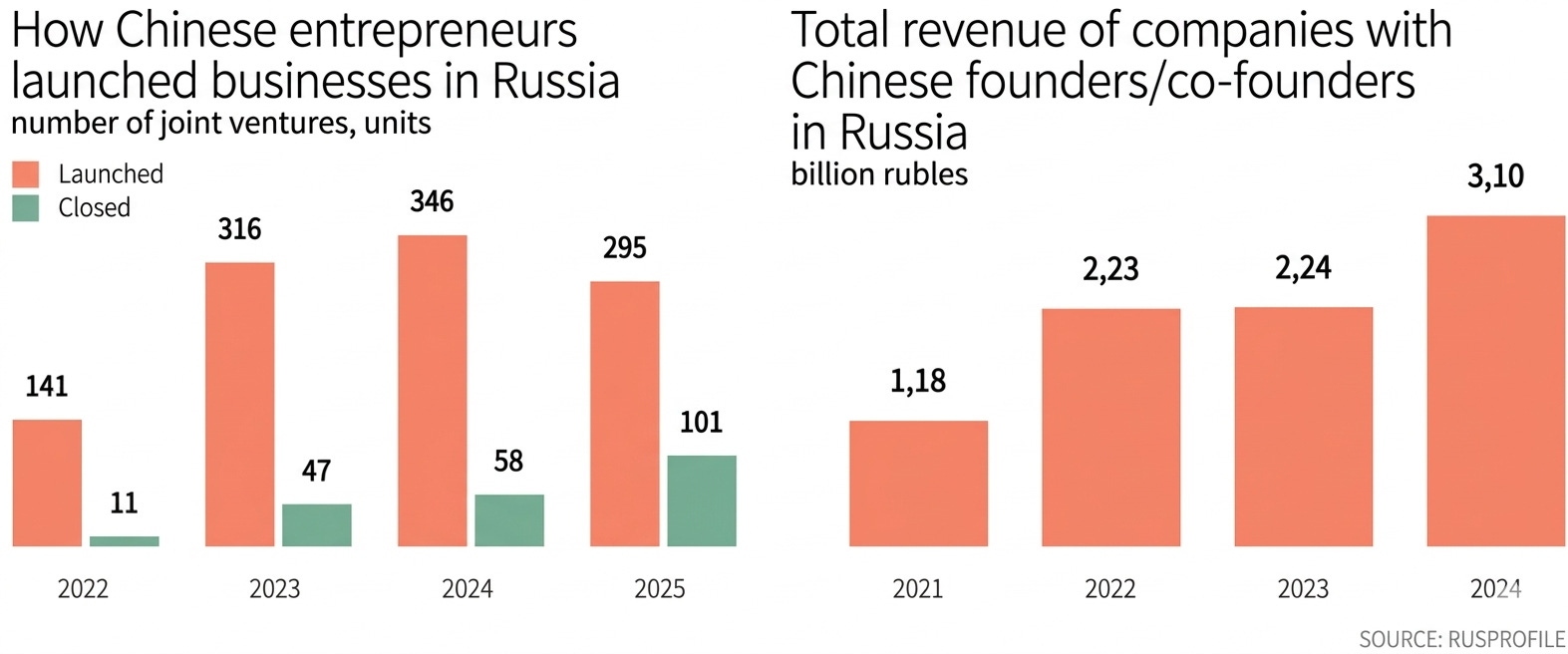
2025 marked a record high for this expansion, with over 4,300 new companies with Chinese participation opening their doors inside Russia. This growth persists despite the closure of over 2,600 Chinese-registered organizations between 2021 and 2026, suggesting a “survival of the fittest” evolution where more robust, strategically managed firms are taking center stage. Industry experts note that this is not merely a statistical anomaly but a systemic restructuring of business relations.
With Western suppliers vacating the Russian market and online trade exploding, Chinese entrepreneurs are moving beyond simple product delivery. They are now establishing deep roots by acquiring existing Russian firms and luring top local talent in engineering and sales to manage the market from the inside. Experts suggest that by registering legal entities directly within Russia, Chinese firms are gaining vital control over logistics and financial settlements—bypassing the risks currently plaguing international shipping routes in the Persian Gulf.
While the initial wave of growth has favored sectors requiring lower investment and faster scaling, the model is expected to expand into more complex industrial sectors soon. The result is a deepening structural reliance. As the Chinese business presence solidifies, the Russian economy is increasingly becoming tethered to Chinese technology, equipment, and consumer goods to maintain its domestic stability amid global upheaval.
Khabarovsk Buys Chinese Ships to Develop Amur Rather than Help Russian Shipbuilders
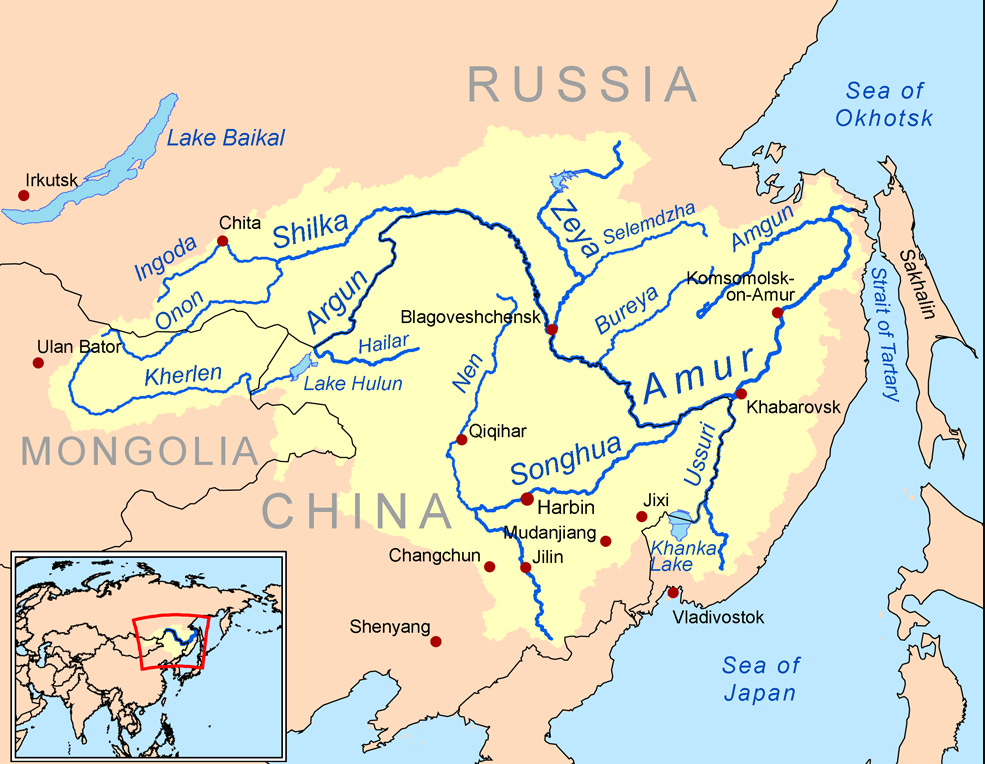
Khabarovsk officials are now buying Chinese ships to develop the Amur River valley, further undermining Russia’s own hard-pressed shipbuilding industry and setting a dangerous precedent in which Russia will purchase Chinese goods rather than manufacture its own, rendering Russia weaker and more dependent on China over time, according to Artyom Aleksandrov, an economics reporter for the Siberian Economist portal.
The Khabarovsk regional government is doing so, he says, because it can obtain the Chinese ships faster and cheaper and thus meet Moscow’s demands for the development of the Amur; but such an approach is dangerous because it ignores the long-term consequences of buying from China rather than investing in Russia. Over time, Aleksandrov suggests, this will mean that China will only grow stronger and Russia weaker, not only in comparison with each other but on what is now Russian territory.
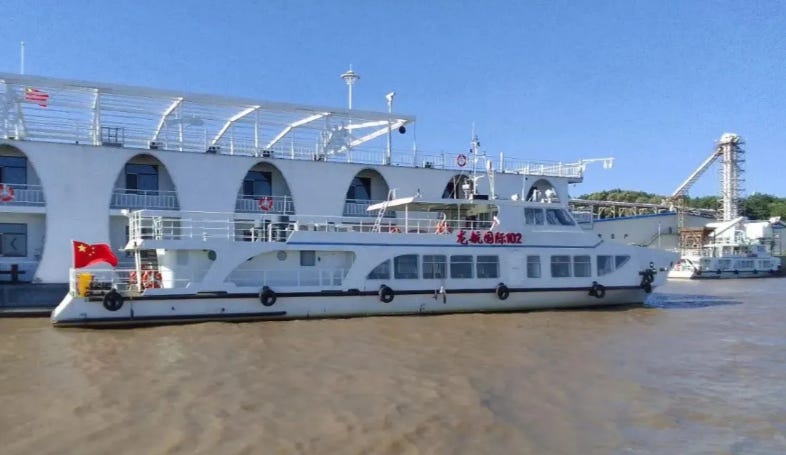
China is making it easier for Khabarovsk officials to do this, the economics reporter says. The Chinese can provide the ships immediately and at a lower cost, thereby allowing the regional government to meet Moscow’s demands to achieve its goals quickly. But such decisions come at a serious cost, Aleksandrov says, because “they form a dependence on a foreign partner from the supply of parts to the standards of exploitation” and mean that “the industrial part of the project will remain abroad,” while plants and employment in the Russian Federation will continue to decline. This analyst suggests it will not be long until such short-term thinking has ever darker consequences for Russia. Indeed, the impact of this reliance on China is already hurting the shipbuilding industry in Khabarovsk, and the longer the China-first policy continues to ensure that regional officials can meet Moscow’s short-term demands, the more serious this will become.
Moreover, according to Aleksandrov, “such a start sets a risky precedent. If imported vessels become established as the standard solution for this international route, that model could easily be extended to other sectors as well, with those pushing for such an outcome justifying their positions by pointing to the advantages of standardization and cost-efficiency.” That could effectively lead to the closure of Russian plants or at least to the reduction of their size to the point that they would be dependent on Chinese firms for research and development, and thus would fall further and further behind until they would have no possibility of catching up, and China’s dominance in this and other areas will be permanently cemented.
This outcome contradicts Moscow’s stated goals of import substitution and technological sovereignty, the economics reporter says, because “relying on foreign-built vessels, even those from a friendly nation, entrenches external dependency within a sector that is officially designated as a priority and receives state support. Ultimately, the region has opted for immediate transportation benefits, effectively deferring the industrial development component to a later date. The Amur River route may indeed come to life—becoming faster, more convenient, and attracting a growing volume of passenger traffic. But the critical question remains: who, in this scenario, stands to benefit the most,” China and its tourists, “of the local manufacturing sector for whose sake the entire program of the development of the Amur was originally conceived?”
Aleksandrov is not the only person concerned about this. His fears are shared both by some Russian officials in Moscow and by regionalist activists who worry about what decisions like those of the Khabarovsk authorities may lead to, asking the question whether this will pave the way to Sibirizatsia (Siberification) or Kitaizatsia (Sinicization)? Moreover, there are signs that ever more people in Siberia have reached the conclusions that the Siberian Economist expert has as the war in Ukraine has continued.
Earlier this year, the leader of Khabarovsk Kray, recently appointed by the Kremlin, denounced Moscow’s plan to scrap older riverine ships before the country can purchase or build new ones, a move which Governor Dmitry Demeshin says will lead to economic “paralysis” and the isolation of population centers now supplied only by rivers. Late last year, officials in Moscow proposed scrapping riverine ships older than 40 years in order to boost the construction of new ones, a move they argued would help the country’s economy and improve efficiency. In fact, the governor of Khabarovsk expressed such concern that it forced Moscow to take public steps to reassure residents of the Russian Federation east of the Urals that their future is not being sold off to the Chinese because of Moscow’s current needs.
Outlook
Fighting over the purchase of a few passenger ships for Chinese tours to Siberia and the Russian Far East may seem far from the kind of geopolitical issue that it in fact is. Such debates and the willingness of officials and experts in Russia to challenge what are the outcomes of the Kremlin’s actual as opposed to declared policies demonstrate how far Chinese neo-colonialism has spread in the Russian Federation and how worried at least some Russians are about what Moscow is doing and what that will mean for the future of their country, however advantageous the current deals may appear now. The fact that articles are now appearing in the Russian press with the phrase Sinicization on a more frequent basis and that the governor of Khabarovsk has to reassure Siberians repeatedly over a six-month span speaks louder than words about the dangers of Chinese economic intrusion on the Russian Far East.
How Chinese Tourism is Reshaping Buryatia’s Economic Dependency on China
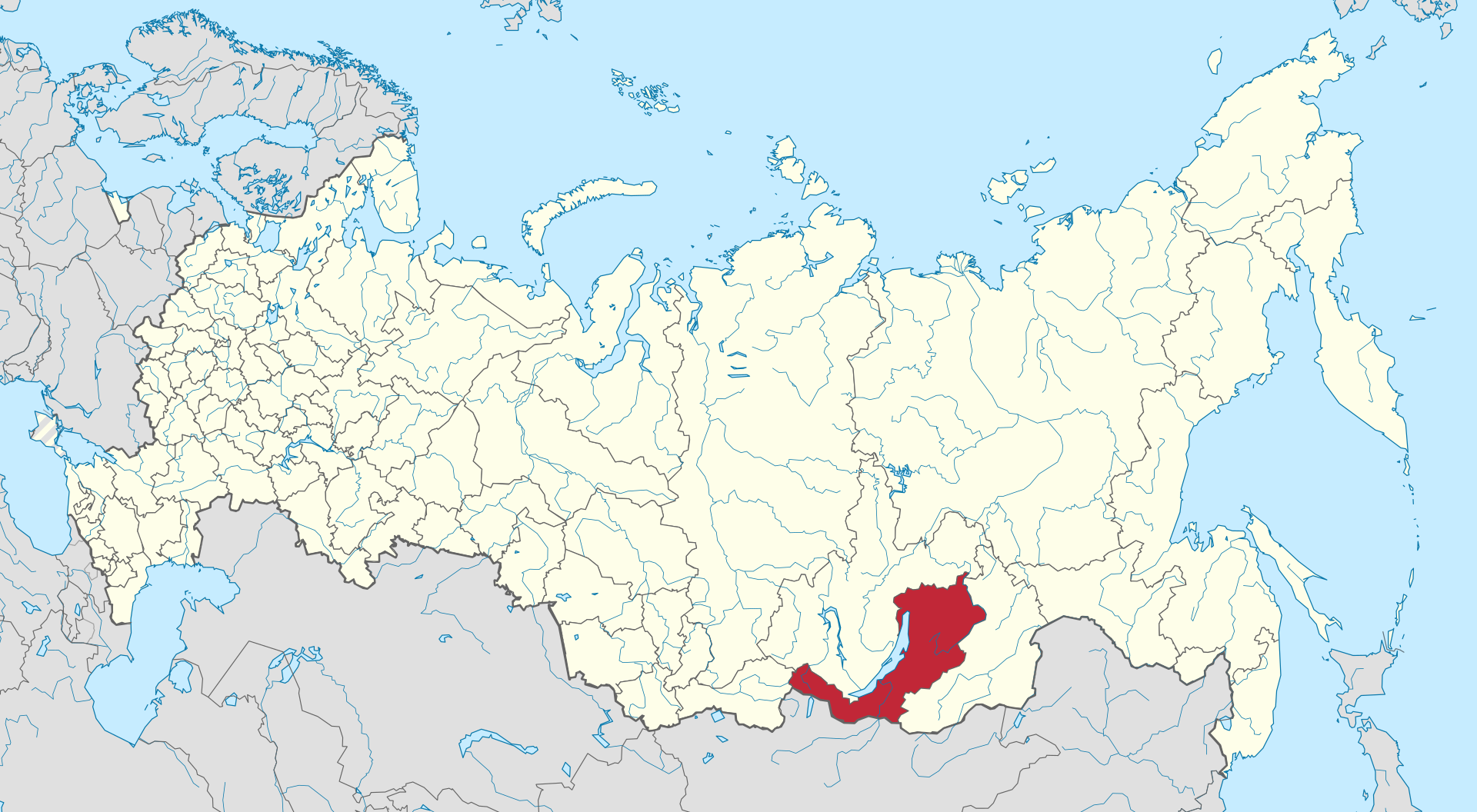
Sparsely populated with a population of less than a million, Buryatia is a republic in eastern Siberia within Russia’s Far Eastern Federal District, situated along the eastern and southeastern shores of Lake Baikal with a size just slightly less than that of Germany. Lake Baikal is the world’s deepest and oldest freshwater lake, holding about 20% of the planet’s unfrozen surface freshwater. Located in Siberia, it stretches over 600 kilometers and is renowned for its exceptional beauty, and it retains a unique status as a UNESCO World Heritage Site.
Buryatia borders Mongolia to the south and is defined by mountainous terrain, river basins, and taiga forests. Buryatia’s geography is oriented around Lake Baikal, while the strategic Trans-Siberian Railroad skirts the Republic, linking it to broader Russian east-west transport networks.
Since 2022, the Russian Republic of Buryatia has become one of the best examples illustrating how China expands its influence in Siberia and the Far East. Chinese strategy is not through overt political control, but through expanding its soft social-economic presence reflected in Buryatia’s growing dependence on Chinese tourist flows, route planning, hospitality adaptation, transport connectivity, and selective labor participation. Despite its economic weakness, Buryatia is attractive to China for two strategic reasons:
First, Lake Baikal offers Beijing access to a major freshwater reserve and strengthens its economic presence in the macro-region through tourism and infrastructure.
Second, it occupies a key borderland position in the China–Mongolia–Russia transit space, where Buryatia’s importance is less pronounced in isolation, but regionally it serves more as a linchpin in a wider northern Eurasian network. Located at a key intersection of Eurasian transport routes such as the Trans-Siberian Railway, Buryatia strategically plays a critical role in connecting the European part of Russia with the Far East. It also serves as an important component of potential cargo routes using its position in Inner Siberia to bolster trade connectivity between China and Europe.
China’s growing interest in these two sectors of the local economy is understandable, given that regional development in the Russian Far East has long depended on support from the federal center, with up to 56 percent of the local budget coming from grants and subsidies from Moscow. However, this support has been marked by uneven investment, making tourism and logistics especially attractive as substitutes for deeper modernization. This structural vulnerability helps explain why local authorities welcome Chinese investment, even as portions of the public remain wary.
The logic is clear and follows a familiar exchange pattern: China provides visitors, financial flows, and potential air links and logistical solutions, while Buryatia offers beautiful scenery, cultural branding, and geographic access. However, this dynamic produces a visible asymmetry in China’s favor. The more the republic adapts to Chinese demand by integrating itself with Beijing, the more China gains quiet structural leverage without requiring formal ownership or a significant political footprint—a pattern consistent with Chinese strategy in other parts of the Russian Far East.

Tourism Drives Chinese Economic Penetration
Undoubtedly, one of the most visible channels of China’s presence in Buryatia is tourism. Its proximity to China makes it especially appealing in this regard since it is a relatively short 2.5- hour plane flight from Beijing. Chinese tourism is becoming a key driver for the development of the local economy, which has started attracting a notable and rapidly growing Chinese interest since at least 2011. In the post-2022 interim, the Chinese presence in the local tourism industry experienced rapid growth.
By 2024, the Republic began receiving an influx of Chinese tourists under a visa-free exchange agreement, bringing in 7,600 visitors— nearly double the previous year’s total. While the Russian side has yet to release tourism-related data on Buryatia, it is assumed that the number of Chinese tourists may have increased further. When discussing the rise of Chinese tourism in Buryatia, it is critical to recognize that post-2024 trends involve more than just increasing numbers, but the local tourism sector is actually being restructured to suit the specific needs of Chinese demand. For example, in a report by ITAR-TASS, it is stated that the local authorities prepared specific routes for travelers from China, including programs tied to the “Great Tea Route” and sacred Baikal branding. Other works on this topic also acknowledge a growing presence of Chinese tourists in Buryatia’s tourism sector as well. One such study published in 2025 argues that Chinese visitors already make up a significant share of hotel occupancy in Ulan-Ude and are reshaping the entire service sector throughout the Buryat capital.
Similarly, the local air logistical structure is in the process of being directly linked to China. Reports indicate local authorities are reportedly involved in talks, while local media are not even mentioning the fact that Moscow does not appear to be a part of these discussions. Moreover, once the Chinese launch direct flights between Buryatia and Beijing, it will likely result in the emergence of a regular Beijing–Ulan-Ude service. Should this new transportation channel become available, China will – without publicly promoting major projects – take another incremental step toward aligning regional infrastructure with Chinese mobility, and connectivity patterns in the Russian Far East.
Analysis of current trends in the local tourism sector suggests that Buryatia is not merely experiencing an increase in Chinese tourist arrivals. Rather, the region may be moving toward adapting its logistics and transportation infrastructure to accommodate these flows—indicating a qualitatively new stage in its relationship with China.
Key Indicators of Buryatia’s Growing Dependency on China
Buryatia’s deepening economic reliance on China is creating an overarching dependency that is of visible concern to local residents, which is manifesting itself in four main ways:
First: Tourism
As stated earlier, the economically depressed region has wholeheartedly embraced the growing number of Chinese tourists. While these visitors generate revenue, they also pose a risk by leaving a limited share of spending in local hands if Chinese-facing operators, guides, or booking chains dominate the tours.
These concerns are most visible in local media and information outlets. One local publication, for example, stated that Chinese tour firms form groups in China while accredited Buryat companies receive them locally, demonstrating an already segmented chain. In this regard, local criticism of growing Chinese interest was significantly more visible before 2022. For instance, another local publication from 2018 referred to “Chinese expansion” around Lake Baikal in explicitly alarmist terms.
Second: Trade
As early as 2019, when the Republic actively traded with Japan, South Korea, and Taiwan, among others, China reportedly accounted for about 49.4 percent of Buryatia’s exports. By 2023, imports from China to the Republic had surged. Analysts generally estimate that the Chinese share likely moved into the 50 percent range of Buryatia’s external trade (exports and imports combined), although official full-year percentages are no longer published in open sources. However, in comparison with other regions of the Far East—such as the Jewish Autonomous Oblast, Irkutsk, Zabaykalsky Krai, and Amur, where the Chinese trade share varies from 70 to 90 percent—Buryatia’s reliance on China, while large, remains comparatively smaller.
Third: Labor Migration
Before 2022, Chinese temporary workers in small numbers were quite common in construction, logging, and agriculture. After 2022, neither local nor federal publications indicated any notable growth in the number of Chinese workers in the Republic. This said, two important emerging shifts can be identified. On the one hand, unlike in previous years, where Chinese laborers were primarily involved in small-scale, low-paid, labor-intensive operations, it was revealed in 2025 that Chinese workers actually were taking part in labor-intensive construction tied to the new “Baikal” theater building. This signifies that Chinese involvement is becoming more and more visible in prestigious urban construction projects in the Russian Far East.
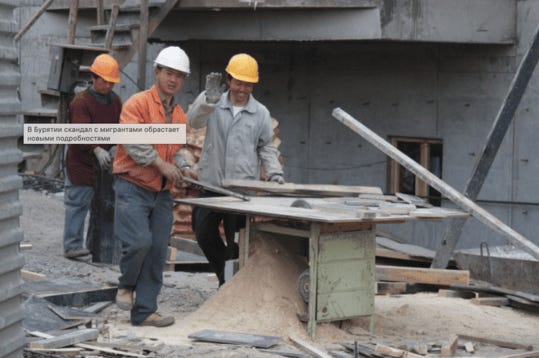
Picture: Chinese laborers working in a downtown Ulan-Ude construction site
On the other hand, local media in Buryatia have started publishing investigative reports about shadow schemes that enable Chinese citizens to obtain legal permits to live and work in Russia, typically via illicit marriage certificates. Moreover, local news outlets report that Buryat law enforcement services are either unable or unwilling to address the growing problem. This is significant since—given the levels of local corruption and bribery—the number of Chinese nationals in the Republic and the purpose of their stay remain unclear.
Fourth: Electricity Imports
Recent discussion of potential electricity imports from China highlights an emerging structural vulnerability in Russia’s energy system in the Far East. For Buryatia, growing electricity deficits combined with slow domestic generation expansion may make Chinese power imports an attractive short-term solution. If implemented, such imports would deepen regional economic interdependence with China. Energy dependence would reinforce existing trade ties, as China is already the dominant external economic partner for Buryatia. Regular electricity imports could also strengthen China’s leverage in cross-border infrastructure and energy markets. Over time, reliance on Chinese power could bind regional industrial development, mining projects, and energy security more closely to Chinese supply conditions and pricing dynamics.
Local Reaction to Chinese Influence
China’s growing presence in Buryatia sometimes results in negative attitudes of the locals toward China and Chinese nationals. Yet, it is very important to underscore that these sentiments should not be viewed as an example of ethnic nationalism or ethnicity-driven xenophobia. Rather, they tend to be linked to economic and environmental concerns. The most frequent trigger points involve natural resources, tourism, and fears of unequal economic competition. One recurring theme in local media debates concerns Chinese participation in logging or other extractive activities, which can lead to overexploitation of regional resources. For example, public discussions on the subject triggered criticism and claims that the region was being “quietly handed over to the Chinese,” reflecting broader anxieties about natural resource governance and regional sovereignty. These narratives do not necessarily reflect actual Chinese control of resources but demonstrate how economic cooperation can be reframed through the lens of perceived vulnerability.
Environmental concerns are understandable: Lake Baikal occupies a unique cultural, spiritual, symbolic, and political position in the region. Pre-2022 reporting concerning the arrival of Chinese tourists to Baykal was referred to as the “Chinese threat.” This way of depicting the Chinese captures how environmental anxiety and anti-Chinese sentiment could merge into public discourse when development projects associated with Chinese investors or tourists expand. In such cases, concerns about environmental degradation often blend with broader geopolitical narratives about Chinese economic expansion. That said, available public materials indicate that these attitudes remain largely situational and are typically tied to concerns about environmental protection and resource governance rather than to everyday interethnic tensions. Importantly, the Chinese population permanently residing in Buryatia remains quite small. Consequently, local debates tend to focus less on Chinese residents themselves and more on the perceived impact of Chinese tourism, investment, or business activity in the region.
Conclusion
The case of Buryatia perfectly illustrates how Chinese influence in the Russian Far East can expand gradually through economic interaction rather than through overt political engagement. Tourism, trade, and selective labor participation form a pattern of incremental integration that strengthens China’s presence in the region without requiring formal ownership of assets. Buryatia’s structural economic weakness – reflected in heavy dependence on federal subsidies and limited domestic investment – creates conditions in which Chinese economic flows become increasingly attractive to local authorities seeking development opportunities. At the same time, this growing engagement produces a visible asymmetry.
As local infrastructure, tourism services, and logistics networks adapt to Chinese demand, the republic risks becoming progressively embedded in economic patterns shaped by external actors. In this sense, Buryatia may be evolving into a periphery within a broader China-centered economic space spanning northern Eurasia, or more correctly described as “China’s Near Abroad,” a term once used to describe the relationship between the post-Soviet states and Russia.
Public reactions to this process in the Far East remain complex and uneven. While concerns about environmental protection, resource governance, and economic competition (to a lesser extent) periodically generate critical narratives about Chinese presence and expansion, these sentiments are largely situational and linked to specific projects or sectors. Given the small number of permanent Chinese population in the region, local debates tend to focus not on ethnic tensions but on the broader implications of growing economic interdependence between Buryatia and China.
Thank you for your support! Please remember that The Saratoga Foundation is a non-profit 501(c)(3) organization. Your donations are fully tax-deductible. If you seek to support The Saratoga Foundation, you can make a one-time donation by clicking on the PayPal link below! You can also subscribe to our website to support our work.
https://www.paypal.com/donate/?hosted_button_id=XFCZDX6YVTVKA
I am surprised that you would publish a map that has Crimea as part of Russia